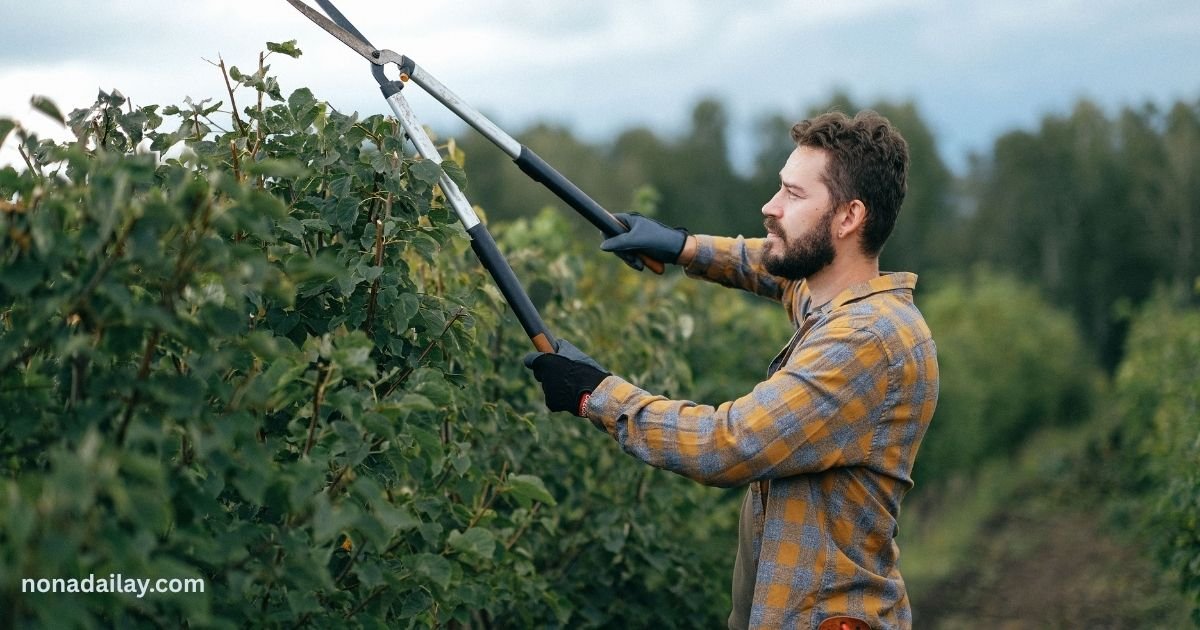
Tree cutting is an important part of caring for trees, but it should not be done without careful thought. Whether you need to remove a dangerous tree, trim damaged branches, or improve the health of a growing tree, the right approach can protect your property and the tree itself. Understanding tree cutting helps you make better decisions about safety, timing, cost, and professional care. Proper tree pruning can encourage healthy growth, while tree removal may be necessary when a tree becomes weak, diseased, or unsafe. This guide explains what to consider before cutting a tree, how to choose a reliable service, and why responsible tree care, tree protection, and planning matter for your property and the environment.
Why Tree Cutting and Pruning May Be Necessary
Sometimes tree cutting is necessary because a tree has become a safety risk. Dead branches can fall during strong wind, snow, or storms. Branches may also grow toward roofs, driveways, sidewalks, fences, or utility lines. The USDA Forest Service notes that pruning can be used for safety, health, and appearance, including removing branches that could cause injury or property damage
Proper tree trimming can also help maintain a tree’s structure. Removing weak, damaged, diseased, or poorly positioned branches may reduce future problems. Regular pruning while a young tree is developing can establish stronger branch structure and reduce the need for major corrective work later.
Tree Cutting for Safety
Safety should always come first when deciding whether a tree needs attention. A large dead limb hanging over a house is very different from a small branch that simply looks untidy. The same is true for a tree leaning toward a building or showing major cracks in its trunk.
Branches close to power lines require special care. Homeowners should not attempt dangerous electrical work or climb near energized lines. In many situations, the utility company or a qualified professional should handle the work.
Storm damage is another common reason for emergency tree cutting. Broken limbs can remain attached to the tree while being unstable. A damaged trunk can also create a serious hazard. If a tree has suffered major storm damage, keep people away from the area and have the condition assessed before attempting repairs.
Pruning for Tree Health
Pruning is not only about appearance. Proper tree pruning can remove dead or diseased wood and help develop a stronger structure. It can also improve the overall form of a tree when performed correctly.
Young trees benefit from thoughtful structural pruning because problems are often easier to correct when branches are small. The USDA Forest Service explains that early and regular pruning can help prevent defects that may later contribute to tree failure
However, more cutting does not automatically mean a healthier tree. Removing too much live growth can stress a tree. Poor cuts can also create unnecessary wounds. For that reason, pruning should have a clear purpose before any branch is removed.
Improving Tree Growth and Appearance
A well-maintained tree can improve the appearance of a yard, provide shade, and contribute to the overall beauty of nature around a home. Careful pruning can remove crossing branches, improve the shape of the crown, and keep growth away from structures.
Good pruning should still respect the natural form of the species. A tree should not be shaped simply because a homeowner wants it to look completely different from its natural growth pattern. Healthy green trees, a balanced canopy, and strong branches usually provide a better long-term result than aggressive cutting.
When Tree Removal Is the Better Choice
There are situations when pruning cannot solve the problem. A severely damaged, structurally unstable, or dead tree may need to be removed, especially when it has a target such as a home, road, walkway, or other frequently used area.
Removal can also be appropriate when a tree has serious structural defects that cannot reasonably be corrected. The decision should be based on the tree’s condition and the level of risk rather than appearance alone. The USDA Forest Service identifies hazardous trees as a priority for removal in appropriate circumstances.
When Should a Tree Be Cut or Pruned?

Timing matters, but there is no single pruning date that works for every tree in every part of the United States. Tree species, climate, age, health, and the reason for pruning all matter.
Routine maintenance is different from emergency work. A tree with a dangerous broken limb may need attention immediately, while ordinary structural pruning can often be planned during a more suitable period.
How Often Should a Tree Be Pruned?
There is no universal schedule for every tree. Young trees may need structural attention as they develop, while mature trees may require less frequent maintenance if they are healthy and well structured.
Instead of automatically cutting a tree every year, inspect it regularly. Look for dead branches, weak attachments, crossing limbs, excessive growth, disease symptoms, or branches that are interfering with structures. The USDA Forest Service recommends regular formative pruning for young trees to establish strong structure.
The right schedule also depends on the species. Fast-growing trees may require more frequent attention than slower-growing species. Local climate can also influence growth patterns.
Signs Your Tree Needs Pruning
A tree may need pruning when it has dead or broken branches, branches rubbing against one another, growth blocking visibility, or limbs extending into areas where they could cause damage.
You may also notice branches growing toward a roof, driveway, sidewalk, or utility line. In some cases, pruning can correct a structural problem before it becomes serious.
Look closely at the trunk and major branches as well. Cracks, cavities, decay, or unusual leaning can indicate a larger problem. If the condition is difficult to judge, an arborist can provide a professional assessment.
Signs a Tree May Need to Be Removed
Tree removal becomes more likely when a tree is dead, severely damaged, structurally unstable, or affected by a serious condition that cannot be managed safely through pruning.
Location matters too. A declining tree in an empty part of a large property may present less immediate risk than the same tree standing beside a house. Risk depends not only on the condition of the tree but also on what could be hit if it failed.
A tree that appears unhealthy does not automatically need removal. Some trees can recover with proper care. The better approach is to identify the cause of the problem and determine whether the remaining structure can be maintained safely.
The Best Time of Year for Tree Pruning
The best time to prune depends on the species and the reason for cutting. Many routine pruning tasks can be planned around the tree’s growth cycle, but emergency pruning should not be delayed simply because the season is not ideal.
In the United States, regional differences are important. A pruning practice suitable for a tree in a northern state may not be ideal for the same species in a warmer climate.
Before major pruning, consider the tree species, local weather, disease risks, and the type of cut needed. A qualified tree professional can help determine appropriate timing for difficult or valuable trees.
Tree Pruning vs. Tree Removal
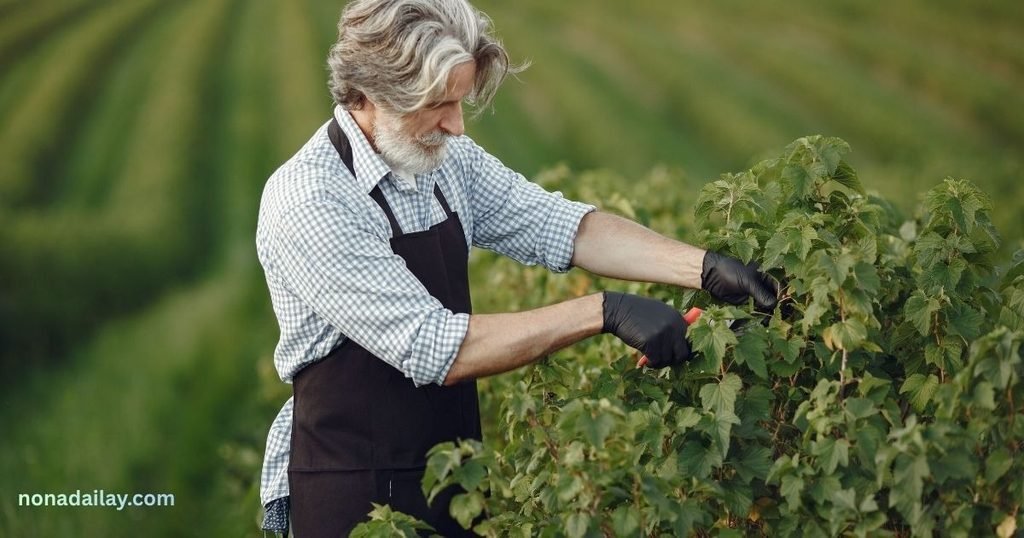
The biggest difference between pruning and removal is simple: tree pruning keeps the tree in place, while tree removal eliminates the tree completely.
Pruning is generally used to address specific branches or structural problems. Removal is a much larger operation that involves taking down the entire tree, handling the trunk and branches, and usually dealing with the remaining stump.
What Is Tree Pruning?
Tree pruning means selectively removing branches or parts of a tree for a specific purpose. Those purposes may include improving safety, correcting structure, removing dead wood, or maintaining clearance around buildings.
Good pruning is selective. The goal is not to reduce the tree as much as possible. Instead, each cut should have a reason.
The USDA Forest Service describes pruning as a practice that can help produce strong, healthy, and attractive plants when proper principles are followed.
What Is Tree Removal?
Tree removal means cutting down the entire tree and safely lowering or removing the trunk, branches, and remaining material.
Removing a large tree is much more complex than cutting a small branch. The crew may need to control where sections fall, protect nearby structures, use ropes or specialized equipment, and manage heavy wood.
For this reason, large tree removal should normally be handled by trained professionals. A homeowner may not be able to see all of the structural risks from the ground.
When Should You Prune Instead of Remove a Tree?
Pruning is often preferable when the tree is basically healthy and the problem can be corrected without removing the entire plant.
For example, a tree may have one dead branch over a driveway. Removing that branch can solve the immediate problem while allowing the rest of the tree to continue growing.
This approach also preserves the benefits of mature trees. A living tree can provide oxygen, shade, habitat, and visual value for many years. Removing a healthy tree simply because one branch needs attention may be unnecessary.
When Is Tree Removal Unavoidable?
Removal may be necessary when a tree presents an unacceptable safety risk and cannot be made reasonably safe through pruning or other management.
A completely dead tree can become particularly concerning when it stands near a home, road, playground, or other target. Serious trunk decay, major structural cracks, severe storm damage, or extensive decline may also lead to a removal recommendation.
The final decision should consider both the condition of the tree and the consequences of failure. Professional assessment can be especially useful when the situation is unclear.
Why “Topping” Is Usually a Poor Tree-Cutting Practice
Tree topping involves cutting major limbs back to stubs or reducing the crown aggressively. It is often chosen because it appears to be a quick way to make a large tree smaller.
However, indiscriminate cutting can create serious structural and health problems. The USDA Forest Service specifically distinguishes proper pruning from practices such as topping and other uncontrolled crown reduction methods.
If a tree has grown too large for its location, topping may not solve the underlying problem. In some cases, removal and replacement with a better-suited species may be a more responsible long-term solution.
What to Consider Before Cutting Down a Tree
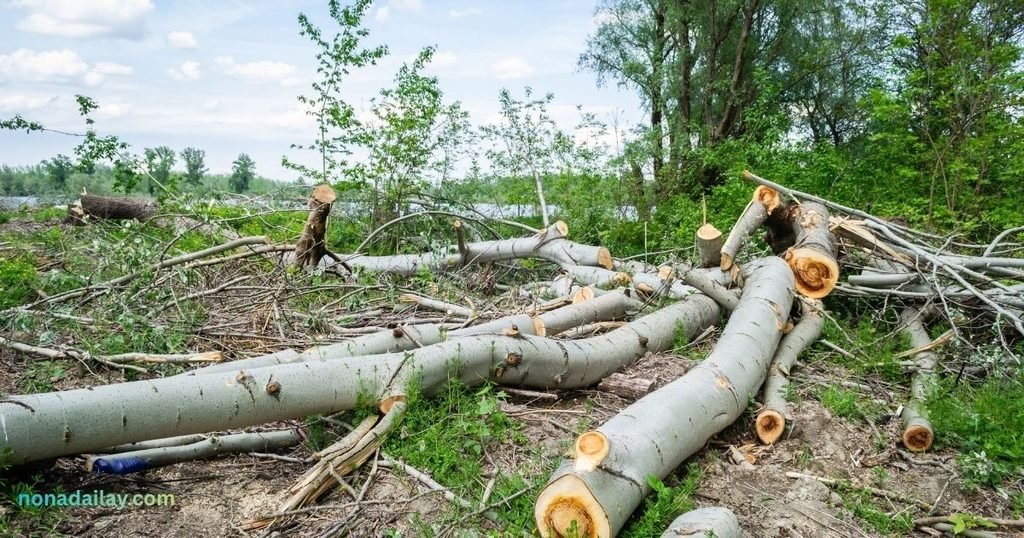
Before cutting down a tree, stop and assess the complete situation. The decision affects more than the tree itself. You also need to think about buildings, vehicles, sidewalks, fences, utility lines, underground services, wildlife, and future landscaping.
A tree that looks inconvenient may still provide valuable tree shade, privacy, habitat, and cooling. On the other hand, a tree with serious structural problems may create risks that are not obvious from a distance.
Check the Tree’s Health and Structural Condition
Start by examining the trunk, major branches, and overall crown. Look for dead wood, cracks, cavities, decay, fungal growth, weak branch unions, or significant leaning.
The condition of the roots matters too. Visible tree roots can sometimes reveal stress, damage, or poor growing conditions, although root problems are not always visible from the surface.
If you cannot confidently determine whether a tree is safe, do not climb it or attempt major cutting. A professional evaluation can help distinguish a manageable problem from a serious structural hazard.
Consider What Is Around the Tree
The surroundings can change the risk of tree cutting. A branch may be harmless in an open field but dangerous when it hangs over a bedroom, parked vehicle, pool, road, or neighbor’s property.
Think about where branches and trunk sections could move if they were cut. Large trees can be surprisingly difficult to control because of their weight and height.
Also consider the sky above the tree. Utility lines, communication cables, and nearby structures can turn an ordinary-looking job into a dangerous one.
Check Local Tree Removal Laws and Permit Requirements
Tree removal rules vary across the United States. Some cities, counties, neighborhoods, or homeowners associations may regulate the removal of certain trees.
Protected species, heritage trees, street trees, trees in environmental zones, or trees above a certain size may have additional requirements. A permit may also be needed in some locations.
Never assume that owning the property automatically means you can remove every tree without checking local requirements. Contact your city, county, planning department, or relevant local authority before major removal work.
Consider Wildlife and Nesting Areas
A tree can be home to birds, insects, squirrels, and other wildlife. Before cutting a large tree, consider whether animals may be using it for nesting or shelter.
Wildlife rules can also vary by species and location. If a tree contains an active nest or protected wildlife habitat, additional precautions may be necessary.
Responsible tree protection does not mean keeping every dangerous tree forever. It means considering the wider natural world before taking action.
Think About Stump Removal
Tree removal does not always end when the trunk is down. You may still have a large stump occupying space in your yard.
A stump can affect future landscaping and may interfere with construction, mowing, or new tree planting. Some homeowners choose stump grinding, while others leave a stump in place if it does not create a problem.
Think about your future plans before choosing the removal method. If you plan to build, pave, or plant a tree in the same area, complete stump removal may be more useful.
Decide What Will Happen to the Wood and Debris
Branches, logs, leaves, and wood chips can create a large amount of debris. Make sure the quote clearly explains whether cleanup and hauling are included.
Some homeowners keep usable firewood. Others prefer everything to be removed from the property.
If you are hiring a company, discuss disposal before work begins. A low initial price may not include hauling, chipping, or final cleanup.
How Much Does Tree Cutting Cost?
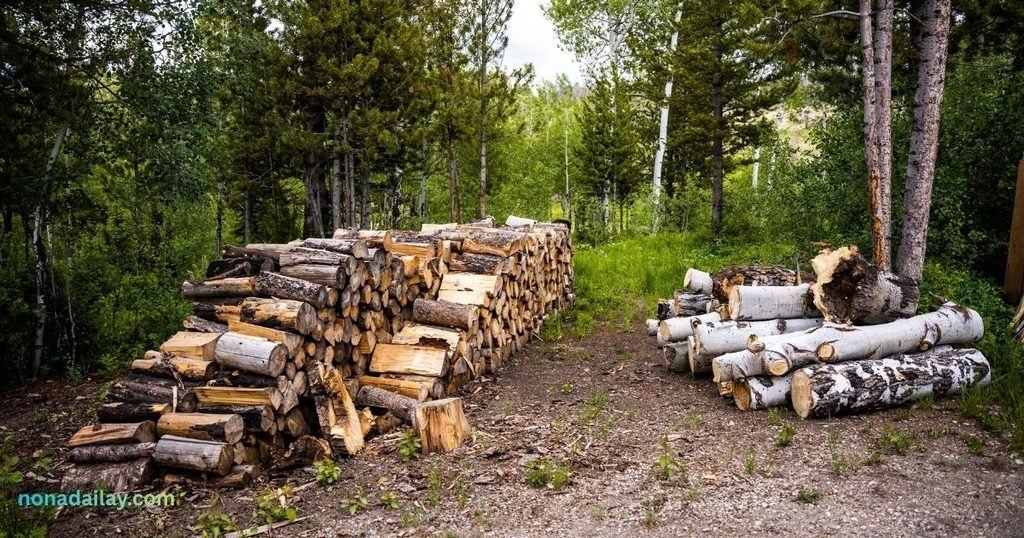
The cost of tree cutting varies widely in the United States. A small pruning job can cost far less than removing a large tree near a building or power line.
Recent consumer cost data from NerdWallet puts average tree trimming at about $460, with a typical range of roughly $200 to $760. Very small jobs may cost less, while difficult or very tall trees can cost much more.
For tree removal, NerdWallet reports a typical range of about $200 to $2,000, with an average around $750. Actual prices depend heavily on the tree and the job site.
Average Tree Trimming and Pruning Costs
Small trees with easy access are usually less expensive to prune than tall trees with dense crowns or difficult access.
The number of branches, tree height, species, location, equipment required, and amount of cleanup can all affect the price. A tree near a house may require more careful work than one in an open backyard.
Do not compare estimates based only on the final price. Two companies may be offering very different levels of service.
Tree Removal Costs
Tree removal usually costs more than routine pruning because it involves the entire tree. Large sections may need to be lowered with ropes rather than allowed to fall.
Access also matters. A backyard tree behind a narrow gate may require more labor than a similar tree beside an open driveway.
Additional services can include stump grinding, hauling, wood removal, emergency service, and cleanup. Ask whether each service is included before accepting a quote.
Factors That Affect a Tree Cutting Quote
The most important cost factors include tree size, height, condition, location, accessibility, branch density, equipment needs, and the type of work required.
A healthy tree that needs a few accessible branches removed is relatively straightforward. A damaged tree leaning over a house is much more complicated.
Emergency work can also cost more because the crew may need to respond quickly and use additional equipment.
What Should Be Included in a Tree Cutting Quote?
A written quote should clearly explain what will be done. It should identify the tree, describe the pruning or removal work, state the total price, and explain cleanup and debris disposal.
It is also useful to confirm whether stump grinding, wood removal, permits, and additional equipment are included. A clear scope prevents misunderstandings after the work starts.
A professional quote should make it easy to compare one company with another. The cheapest estimate is not always the best value if important services are missing.
How to Choose a Professional Tree Cutting Service
Choosing the right tree service is one of the most important parts of the process. Tree cutting involves heavy equipment, elevated work, falling branches, and significant safety risks.
Look for a company with appropriate experience, insurance, trained workers, and a clear written scope of work. For complex trees, an arborist with relevant professional credentials can provide additional expertise.
Look for a Qualified Tree Care Professional
Ask about the company’s experience with trees similar to yours. Large mature trees require different skills from small ornamental trees.
For difficult jobs, ask whether the company follows recognized industry practices. The USDA Forest Service references ANSI standards for tree pruning and tree-care safety. A professional should also be willing to explain why a particular branch should be removed or why full removal is recommended.
Verify Insurance
Tree work can damage property or cause serious injuries if performed incorrectly. Ask whether the company carries appropriate liability insurance and workers’ compensation coverage.
Do not rely only on a verbal assurance. Ask for documentation when appropriate.
This step protects both the homeowner and the workers if an accident occurs.
Ask for a Written Estimate
A written estimate should describe the work clearly. It should state whether the company is pruning, removing, grinding the stump, hauling debris, or performing additional work.
Ask about the total price and whether unexpected costs could be added later.
If several companies inspect the same tree, compare their recommendations as well as their prices. A professional who explains the reasoning behind the work can often provide more useful information than someone who simply gives the lowest number.
Ask What Standards They Follow
Ask the company how it approaches pruning and safety. Professional tree care should involve planned cuts rather than random removal of branches.
Proper pruning protects the natural structure of the tree. It also reduces the chance of creating unnecessary defects.
Standards do not replace experience, but they provide a useful framework for professional work.
Ask About Cleanup and Stump Removal
Never assume cleanup is included. Ask whether branches will be chipped, logs removed, leaves cleared, and sawdust cleaned from the work area.
If the tree is being removed, ask separately about stump grinding or complete stump removal.
A detailed agreement makes the final result much easier to understand.
Questions to Ask Before Hiring a Tree Service
Before signing a contract, ask who will perform the work, what exactly will be cut, how the crew will protect nearby property, whether permits are included, how debris will be handled, and what happens if conditions change.
You can also ask how the crew will manage difficult branches and whether specialized equipment will be needed.
A trustworthy company should be comfortable answering reasonable questions. If a contractor pressures you to approve immediate removal without explaining the reason, consider getting another assessment.
Environmental Impact of Cutting Trees
Trees are an important part of healthy landscapes and ecosystems. They provide habitat, help manage stormwater, store carbon, moderate local temperatures, and contribute to cleaner air.
The value of a tree is not limited to its appearance. Mature trees and life are closely connected because trees provide shelter and food for many organisms. A healthy forest canopy can support birds, insects, and other wildlife while also shaping the conditions below it.
This is why tree conservation and responsible removal matter. The goal is not to avoid every tree cut. The goal is to avoid unnecessary removal while dealing responsibly with trees that have become dangerous or unhealthy.
Why Trees Matter to the Environment
Trees contribute to the wider environment in many ways. Their leaves capture sunlight and support photosynthesis. Their roots stabilize soil, and their canopies can provide cooling and shade.
A group of green trees can also create habitat and improve the visual character of a neighborhood. In larger landscapes, forests play an even greater ecological role.
These benefits are part of the wider connection with nature that people experience in parks, forests, gardens, and residential landscapes.
When Removing a Tree Can Be Responsible
Tree removal is not automatically harmful. Sometimes removing a severely declining or dangerous tree can be the responsible decision.
For example, a dead tree threatening a home may need to be removed to protect people and property. In forest management, removing hazardous or unhealthy trees can also be part of broader management strategies.
The important question is why the tree is being removed and what happens afterward.
Why Healthy Trees Should Not Be Removed Unnecessarily
Healthy mature trees can provide benefits that are difficult to replace quickly. A newly planted tree needs years to develop the size and canopy of an established one.
Before removing a healthy tree, consider whether pruning, structural support, relocation, or another solution could address the problem.
This is especially important when the reason for removal is purely cosmetic. A tree may have an imperfect shape while still providing valuable habitat, tree shade, and beauty.
Replanting After Tree Removal
If a tree must be removed, replanting can help restore some of the lost landscape value. The replacement should be selected carefully for the site.
Consider mature size, soil, available sunlight, water needs, climate, root space, and proximity to buildings or utility lines.
Planting trees for the future means choosing a species that can thrive where it is planted. A small tree placed in the right location can become a long-term asset.
The broader goal of tree planting is not simply to replace one trunk with another. It is to create a healthier landscape that can support plants, wildlife, people, and the earth over time.
How to Prepare for Professional Tree Cutting
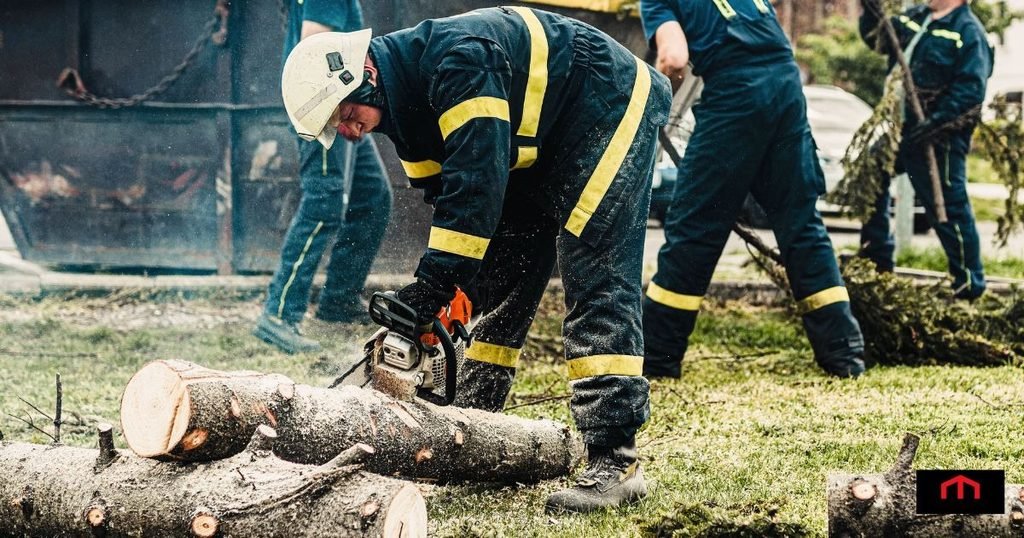
Good preparation can make a tree-cutting project safer and more efficient. Before the crew arrives, discuss the work plan and make sure everyone understands which tree or branches will be affected.
Preparation is especially important when the tree is close to a home, road, fence, pool, vehicle, or utility line.
Clear the Area Around the Tree
Move vehicles, outdoor furniture, toys, tools, and other loose objects away from the work area.
If branches could reach a driveway or walkway, arrange an alternative route during the work.
The goal is to create a clear working zone for the crew and reduce the chance of property damage.
Keep People and Pets Away
Tree cutting should never become a spectator activity. Keep children and pets away from the work area.
Branches can swing unexpectedly, equipment can move quickly, and falling wood can travel farther than expected.
Follow the crew’s safety instructions and keep everyone outside the designated work zone.
Make Access Easier for the Tree Crew
Tell the company about gates, narrow paths, fences, landscaping, irrigation systems, and other access concerns before work starts.
If equipment such as a chipper, bucket truck, or stump grinder is needed, the crew may require enough space to position it safely.
Good access can reduce delays and help the crew protect your property.
Discuss Power Lines Before Work Begins
Power lines are one of the most important hazards to identify before tree cutting.
Do not attempt to cut branches that are touching or dangerously close to energized lines. Contact the appropriate utility provider or a qualified professional.
Even a small mistake around electrical lines can be life-threatening.
Confirm the Work Plan Before Cutting Begins
Before the first cut, confirm exactly what will happen. Make sure the crew knows which branches are being pruned or which tree is being removed.
Review cleanup, stump work, wood disposal, and any other services included in the agreement.
A few minutes of communication can prevent a major misunderstanding later.
Frequently Asked Questions About Tree Cutting
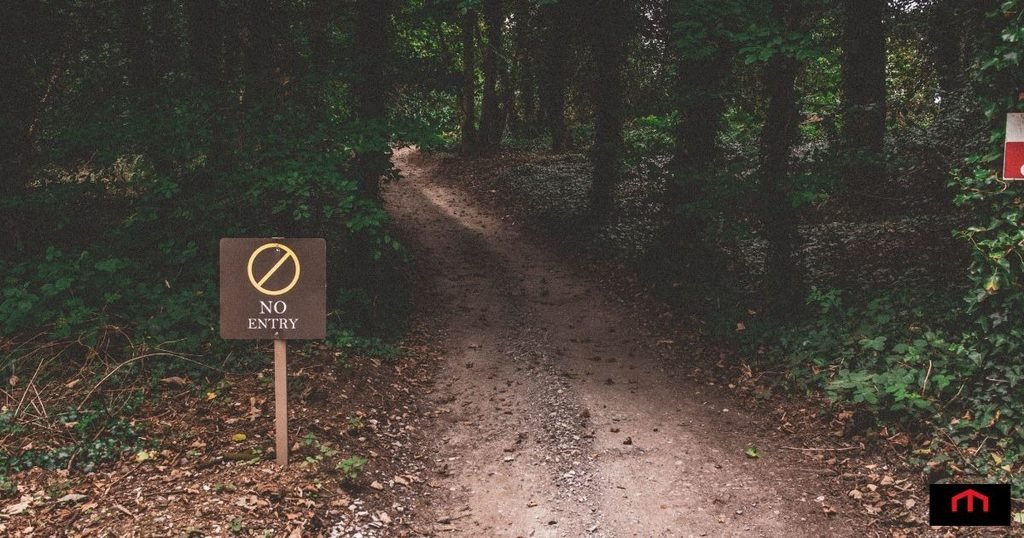
What is the difference between tree trimming and tree removal?
Tree trimming or tree pruning selectively removes branches while keeping the tree alive. Tree removal eliminates the entire tree because of safety, health, construction, or other concerns.
How often should a tree be pruned?
There is no single schedule for every species. Young trees may need structural pruning as they develop, while mature trees may require less frequent maintenance.
What is the best time of year to cut or prune a tree?
The best timing depends on the species, local climate, tree condition, and purpose of pruning. Emergency hazards should be addressed when necessary rather than waiting for a particular season.
How much does tree cutting cost?
Costs vary by tree size, height, location, condition, access, and type of work. Recent U.S. estimates put average tree trimming around $460, while tree removal averages around $750, but individual projects can vary significantly
Do I need a permit to cut down a tree?
It depends on your city, county, property type, and tree. Some areas regulate removal of protected, large, heritage, or street trees. Check local requirements before cutting.
Should I remove a dead tree from my property?
A dead tree may become a serious hazard, especially near a home, road, or area used by people. Have it assessed and remove it when its condition and location create an unacceptable risk.
Is it safe to cut down a tree yourself?
Small, low branches may be manageable for some homeowners, but large trees, heavy branches, ladders, chainsaws, and power-line hazards can make DIY work dangerous. Professional help is usually the safer choice for major jobs.
What should be included in a tree cutting quote?
A quote should clearly state the tree or branches involved, work to be performed, price, cleanup, debris removal, stump services, and any other additional charges.
How can I find a reliable tree cutting service near me?
Look for an experienced, properly insured company that provides a written estimate and clearly explains the recommended work. For complex trees, consider getting an assessment from a qualified arborist.
Can pruning save a tree that looks damaged?
Sometimes. If the damage is limited to certain branches, careful pruning may reduce risk and preserve the rest of the tree. Severe trunk damage or major structural failure may require removal.
Should I prune a tree before a storm?
Do not make major last-minute cuts simply because a storm is approaching. Regular structural maintenance can reduce some risks, but trees with obvious hazards should be assessed by a professional before severe weather.
Final Thoughts on Tree Cutting
Tree cutting is best approached as a decision about safety, health, property, and long-term landscape value. Not every damaged branch requires tree removal, and not every large tree should be aggressively cut back.
When possible, thoughtful tree pruning can preserve a healthy tree while correcting structural or safety concerns. When a tree is severely damaged, dead, or unsafe, professional removal may be the better choice.
The same principle applies to the wider natural world. Responsible tree care, tree protection, and tree conservation help balance human needs with the value of living landscapes.
Trees have always been part of the stories people tell about life, hope, beauty, and the earth. From inspirational tree quotes and tree sayings to quotes about trees, quotes about nature, and nature quotes, people often use trees as symbols of strength and growth. Even tree quotes and sayings, forest quotes, environmental quotes, and earth quotes reflect a simple idea: healthy trees matter.
The practical lesson is just as important. Care of the earth begins with responsible decisions close to home. Whether you are protecting an old tree, removing a dangerous one, or planting trees, think about the long-term result. Save trees when they can safely remain, protect nature when possible, and choose planting trees for the future when replacement is appropriate.
A thoughtful approach respects both property and the love of nature that makes green spaces valuable. In the end, good tree management is about finding the right balance between safety, health, beauty, and responsibility.
I kept the supplied LSI/NLP terms natural rather than forcing them into every paragraph, since many of them belong to a different “tree quotes” search topic. This keeps the article focused on tree cutting while still incorporating the requested terms.
FAQS
What is a slogan about cutting trees?
“Cut wisely, plant wisely, and protect our forests for future generations.”
What is the best quote about trees?
“The best time to plant a tree was years ago; the next best time is today.”
How to write a quote for tree removal?
Keep it short and meaningful, focusing on safety, responsibility, or the importance of replacing removed trees.
What is a better word for “tree cutting”?
Common alternatives include tree trimming, tree pruning, tree removal, or tree care, depending on the type of work.
What is a person who cuts trees called?
A person who professionally cuts, trims, or removes trees is commonly called an arborist or tree care professional.
Meta Description
Learn what to consider before tree cutting, including pruning, removal, safety, costs, professional services, and responsible tree care.

Welcome to NonaDaily. I’m Brandon Klewicki, an AI powered SEO and content specialist with 4 years of experience helping websites strengthen their online visibility, improve search performance, and connect more effectively with their target audiences.
My work focuses on creating high-quality, user-focused content, developing practical SEO strategies, and enhancing website experiences that are both engaging for readers and optimized for search engines. I believe that effective SEO and web design should be clear, strategic, and results-driven not unnecessarily complicated.
At NonaDaily, my goal is to combine content quality, search optimization, and user experience to build a platform that is informative, trustworthy, and easy to navigate. I’m committed to helping websites reach the right audience, increase organic visibility, and turn sustainable online growth into meaningful results.